

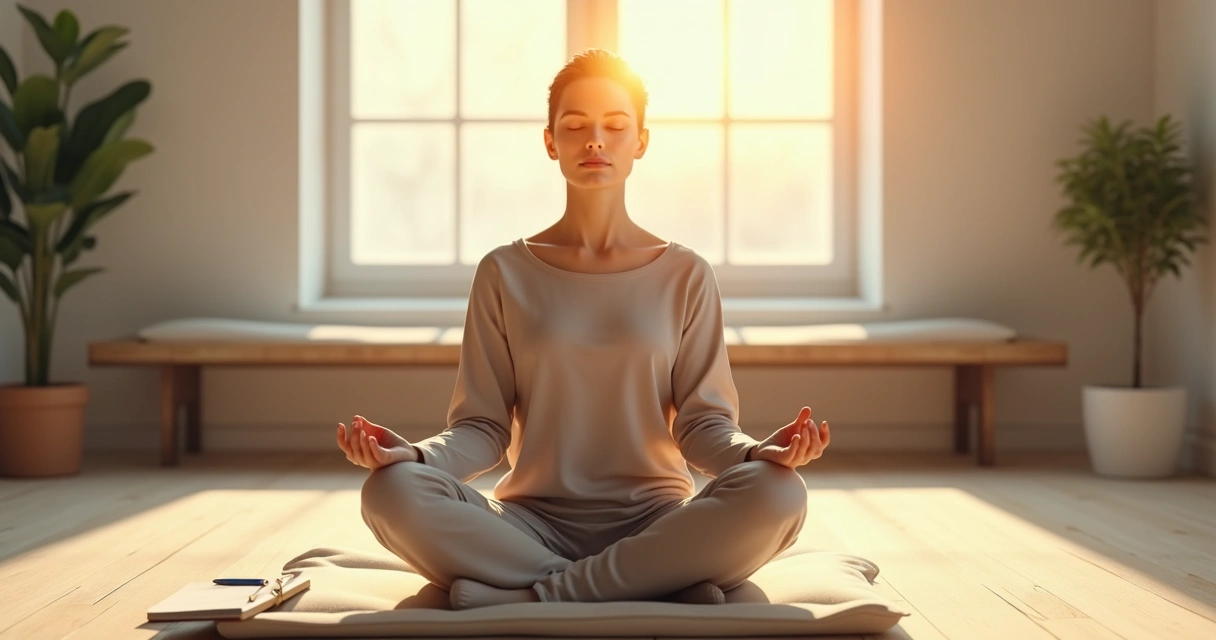
We live in a world full of distractions, noise, and changing emotions. Many of us search for relief from stress, inner confusion, and scattered thoughts. For those seeking a practice grounded in both self-awareness and practical change, Marquesian meditation offers a fresh approach to finding genuine mental clarity. In our experience, this method bridges emotion and consciousness, shaping a path for anyone curious to know themselves better or simply wishing to feel calmer and more centered each day.
What makes Marquesian meditation unique?
Marquesian meditation, as we have seen, stands out for its focus on active, aware presence rather than detachment or escape from reality. Instead of emptying the mind or chasing abstract ideals, the practice encourages constructive engagement with thoughts, emotions, and sensations. This is meditation not as withdrawal, but as alignment—between inner experience and your daily choices.
Stay present. Stay real.
The tradition is not tied to any religion or rigid doctrine. We appreciate this flexibility because it means that everyone, regardless of their background, can benefit. You do not have to follow strict rituals or make extreme changes to your lifestyle. In our view, the main goal is to help you recognize your patterns, pause automatic reactions, and gently reorganize your inner landscape.
The foundations of Marquesian meditation
What do we mean by inner clarity? Simply this: a state where mind, emotion, and intention connect smoothly, and distractions fall away. Marquesian meditation works with three core principles to support this outcome:
- Presence: Centering your attention here and now, noticing your inner movements as they happen.
- Emotional congruence: Allowing emotions to flow without getting trapped or overwhelmed, so you can observe without reacting blindly.
- Conscious choice: Bringing awareness to your actions, breaking free from the grip of old habits and automatic behaviors.
We like to think of this practice as a mirror. When we sit, breathe, and sincerely witness what arises in us, we build a clearer and kinder relationship with our thoughts and feelings. Over time, even challenging experiences become easier to face, because we see them as they are—not as we fear them to be.
How to get started with Marquesian meditation
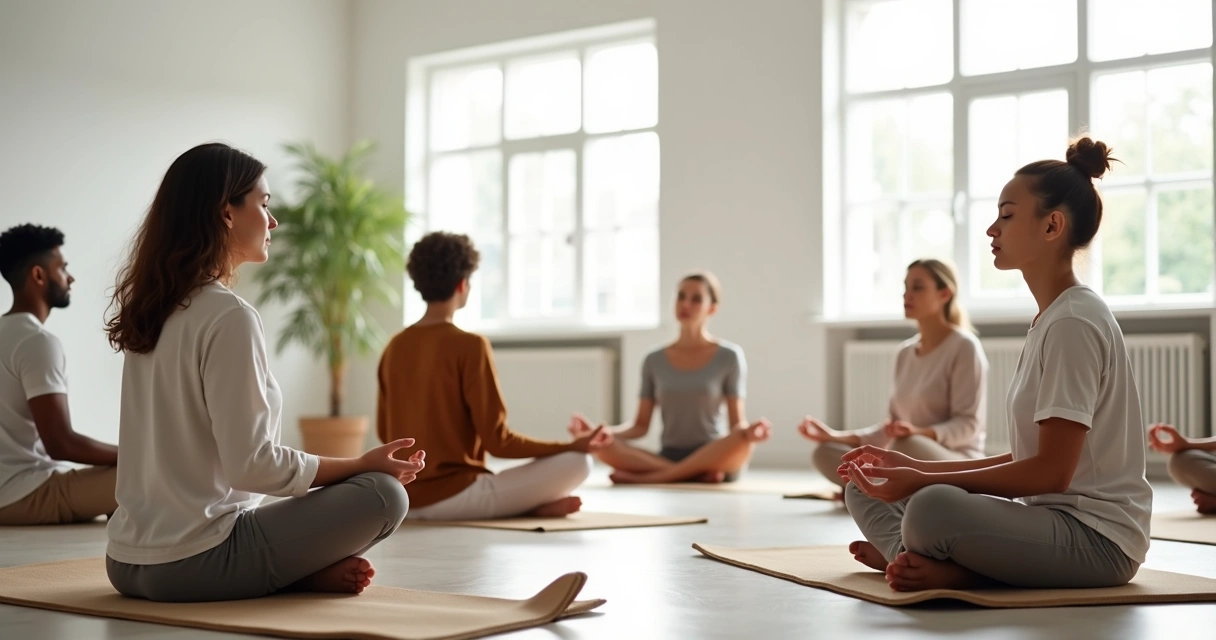
Starting any new habit can feel strange or even intimidating. But with this meditation, we recommend a gentle, practical approach—the intention is never to impress anyone, but to meet ourselves where we are, exactly as we are.
Preparing your space
You do not need special equipment. Choose a spot that feels comfortable and calm, either a corner of your room or a quiet bench outside. Silence or low ambient noise is best, but soft background sounds are fine if they help you relax. You can sit on a cushion, a mat, or a chair—what matters is having a stable posture that supports an upright, alert spine.
Setting an intention
We often suggest starting with an intention, however simple. It could be “I want to notice my thoughts,” or “I want to create some space before I react today.” This personal touch connects you to the process, giving your mind a gentle anchor if distraction pulls you away.
The basic practice: step by step
- Find your position. Sit comfortably with your feet flat or crossed, hands resting loosely. Straighten your back without forcing it.
- Close or soften your eyes. Focus your attention on your breath or the sensations in your body.
- Notice what arises. Thoughts, sounds, emotions, physical feelings—simply let them come and go. Do not judge or try to “fix” them.
- Use your anchor. When your mind wanders, gently return your focus to your breath, body, or chosen intention.
- Invite clarity. Ask yourself: “What am I experiencing right now?” Observe your response without attaching labels or stories.
- End with gratitude. Take a final deep breath, notice any subtle shifts, and thank yourself for the time you have given.
Try this for 5–10 minutes at first. Over time, you can extend your sessions naturally.
Troubleshooting challenges
It is common to meet restlessness, impatience, or wandering thoughts. In our research, these signs signal that the practice is working, not failing. We remind ourselves: clarity emerges when we stop struggling against the mind and allow it to settle at its own pace.
- If strong emotions arise, notice where you feel them in your body and breathe into that space gently.
- If you feel bored or distracted, acknowledge that too—it is simply more “mind content” passing by.
- If you fall asleep, adjust your posture or try practicing at a different time of day.
Growth comes from steady attention, not perfection.
Integrating meditation into daily life
While a regular, dedicated practice helps, Marquesian meditation is also meant to be practical and usable during the flow of daily life. We often pause for a minute before meetings, conversations, or important decisions, using a breath or a quiet moment to reconnect with presence.
Mini practices you can use anytime
- One-minute check-in: Pause, inhale deeply, and scan your body from head to toe. Notice tightness, warmth, or movement.
- Three breaths before reacting: When triggered, stop and take three slow breaths before speaking or acting.
- Walking meditation: Walk slowly, feeling each footstep, noticing sounds and sensations around you without rushing.

The more we sprinkle these moments throughout our routine, the more natural it feels to return to a clear, present state in all areas of life.
Practical benefits we have seen
We have noticed that regular practice supports a wide range of positive shifts, including:
- Reduced overwhelm and emotional reactivity
- Quicker recovery from stress peaks or daily frustrations
- Feeling more connected to our own needs and values
- Greater ability to choose responses, rather than fall into automatic habits
- A sense of spaciousness and calm, even when life stays busy
The gift of this meditation is not in escaping life, but in showing up for it with open eyes and a steady mind.
Conclusion: A new relationship with your mind
It is easy to believe that clarity comes from having no problems or only positive thoughts. We have learned, though, that it is the courage to observe ourselves fully—messy, real, and honest—that brings genuine insight. As we continue this practice, we find greater calm and a more balanced perspective, moving from confusion to understanding. Inner clarity becomes less of a rare event and more of a daily experience, reshaping how we relate to ourselves and others.
Frequently asked questions
What is Marquesian meditation?
Marquesian meditation is a practical, presence-based meditation that integrates attention, emotion, and awareness. The practice is designed to help individuals become more conscious of their inner world, improving both clarity and self-regulation without religious or dogmatic requirements.
How do I start Marquesian meditation?
You can begin by setting aside a few minutes each day in a quiet, comfortable spot. Sit with an upright posture, focus on your breath, and gently observe thoughts or emotions as they appear, always returning to your chosen anchor such as your breathing or an intention. Over time, sessions can be made longer as you become more comfortable.
What are the benefits of this practice?
This method encourages emotional regulation, stress reduction, and clearer thinking. People often experience greater calm, resilience under pressure, and a stronger sense of agency over their reactions and daily decisions.
Is Marquesian meditation good for beginners?
Yes, Marquesian meditation is very accessible for beginners. It does not require prior experience and can be adapted easily to fit your needs and lifestyle, making it suitable for anyone interested in inner growth and self-understanding.
How often should I meditate for clarity?
We recommend starting with daily short sessions of 5–10 minutes. The key is regularity rather than length; frequent practice, even if brief, helps train the mind and brings growing clarity over time.