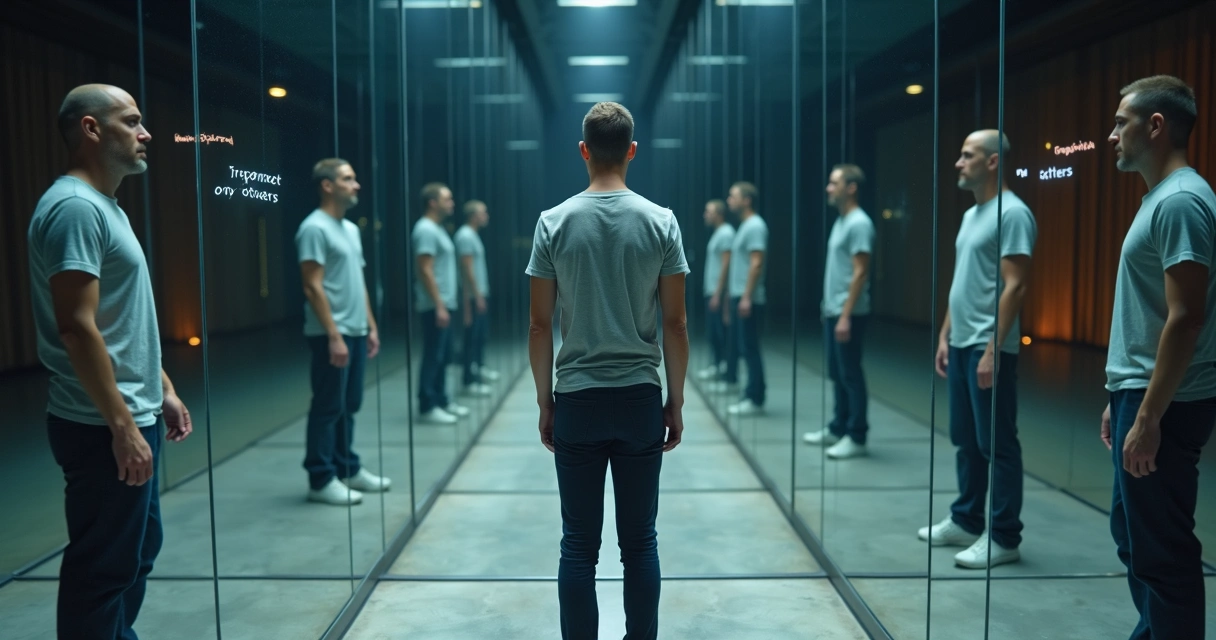


Which shapes the other first: our ability to manage our emotions, or our power to choose our actions consciously? This question, simple at first glance, brings us into the heart of what it is to live with awareness and maturity. We find ourselves returning to this question in moments of stress, choice, and reflection. The answer is not as linear as it seems.
The interplay between feeling and doing
At first, it’s tempting to say one always leads the other. Some of us believe, “If I control my emotions, I can decide better.” Others are sure, “If I act with intention, my emotions follow.” But our lived experience, and what we observe in those around us, suggest a more complex relationship.
Human beings are not machines; our emotions and actions are deeply intertwined, shaping and reshaping each other from moment to moment.
- Sometimes a rush of emotion triggers an action – a harsh word, a burst of laughter, a sudden gesture.
- In other moments, a conscious choice – to pause, to speak kindly, to listen – can calm or redirect a surge of feeling.
- Often, both processes happen together, as a loop: feeling shapes acting, which shapes feeling.
We have sat with people in coaching, in group settings, and in daily life, and seen the back-and-forth between emotion and action countless times. The answer is not linear or absolute, but it is accessible: context shapes which comes first.
Understanding emotional regulation
Emotional regulation is not simply “being calm.” It is the ongoing process of recognizing, accepting, and influencing our emotions. Sometimes, this means soothing anxiety or anger before acting. Sometimes, it means allowing ourselves to feel sadness or joy without shutting it down.
Healthy emotional regulation means we don’t let emotion hijack our behavior, but we don’t suppress or deny it either.
Many people mistake regulation for suppression. In reality, suppression can make emotions stronger under the surface, causing them to burst out in unexpected ways. Regulation is more like steering a boat: acknowledging the waves, adjusting direction, and keeping steady even when conditions change.

Conscious action: what does it really mean?
Conscious action is more than simply “choosing what to do.” It is tuning in to the present moment and responding with intention, maturity, and responsibility. It means noticing both our internal state (emotion, thought, tension) and our outer circumstance, and choosing our next step with alignment.
Conscious action honors both our values and what is happening here and now, combining self-knowledge and real-time awareness.
Rather than reacting out of old habits or emotional impulses, we pause long enough to ask, “What matters now? Who do I want to be in this moment? How do I want to respond, rather than just react?”
Which comes first: regulation or action?
Let’s return to our central question with some real situations in mind.
- A colleague says something critical. Do we flare up, or pause and listen? Sometimes, emotion comes before we even notice: our heart races, jaw tightens, and the desire to speak sharply rises. In these moments, emotional regulation comes first, allowing space for a more conscious action.
- Facing a challenging decision, we might not feel clear or settled. But if we consciously choose to move with care – breathing deeply, weighing options – we sometimes notice our emotions settle as a result. Here, conscious action paves the way for regulation.
- In times of crisis, both can happen almost at once. Awareness flickers: we feel panic, then choose to ground ourselves, then feel steadier, and so on.
The relationship is not strictly one-way; it is circular and dynamic. Each invites the other.
A practical process to bring both into daily life
Caring for emotions and acting with intention are learned and trainable skills. We share a simple sequence that we find helps many people:
- Pause. Notice what is happening in your body and mind. Breathe deeply for a few moments.
- Name. Put a simple word to what you are feeling. For example: anger, worry, joy, confusion.
- Accept. Allow the feeling to be present, even briefly, without running from it or escalating it.
- Reflect. Ask yourself: “What matters most to me here? How do I want to respond?”
- Act. Choose a small, conscious step that aligns with your values and the situation.
Over time, this process becomes more fluid and natural, requiring less conscious effort and feeling more like a trusted habit.
Emotional maturity grows through small, repeated choices.

Barriers to regulation and action
Why can this be so difficult sometimes? We notice four common barriers:
- We become overwhelmed by strong feelings that seem impossible to manage.
- Old habits and unconscious reactions take over before we even realize.
- We judge our emotions or think we “shouldn’t” feel a certain way, making regulation harder.
- Unclear values or priorities weaken conscious action.
It takes kindness with ourselves and practice to move through these barriers. But with regular attention, both skills grow.
What does real progress look like?
We have seen that progress in this area does not mean never feeling strong emotions or always acting perfectly. Instead, it looks like:
- Noticing emotions sooner, and with less judgment.
- Creating a space, however brief, between feeling and action.
- Choosing even small actions that reflect our inner values, rather than external pressure.
- Accepting setbacks with patience and self-compassion.
Progress is the journey, not a finish line.
Conclusion: integration is the key
There is no permanent order between emotional regulation and conscious action – each feeds the other, and both grow stronger with practice. When we develop skills to manage our emotions, our actions become more aligned. When we practice conscious choices, our emotional patterns shift. Instead of asking which comes first for everyone, we invite ourselves to ask what is needed right now for this moment.
Step by step, feeling and doing come together. This is how personal and collective transformation truly happens.
Frequently asked questions
What is emotional regulation?
Emotional regulation is the process of recognizing, understanding, and influencing our emotions in a healthy way. It involves noticing what we feel, accepting those feelings without judgment, and choosing how to respond, rather than react impulsively. This skill helps us stay balanced and act in ways that match our values.
What is conscious action?
Conscious action means making intentional choices based on awareness of oneself and the situation. It is responding with thoughtfulness, responsibility, and alignment with what matters most, rather than simply reacting out of habit or emotion. Conscious action reflects self-awareness in real time.
Which comes first, emotion or action?
In practice, emotion and action often influence each other in a circular way. Sometimes emotions lead to action, and other times a deliberate action can shape or change our emotions. There is no single answer for every situation – it depends on context and personal awareness.
How to improve emotional regulation skills?
To improve emotional regulation, we can practice pausing before responding, naming our emotions, accepting them without harshness, and choosing responses with intention. Regular habits like mindful breathing, self-reflection, and kindness toward ourselves help make emotional regulation part of daily life.
Can conscious action help control emotions?
Yes, conscious action can help influence and even calm strong emotions. When we respond with intention rather than react by default, we give ourselves space to notice and guide our emotional state. Over time, this practice builds greater emotional balance and freedom.