

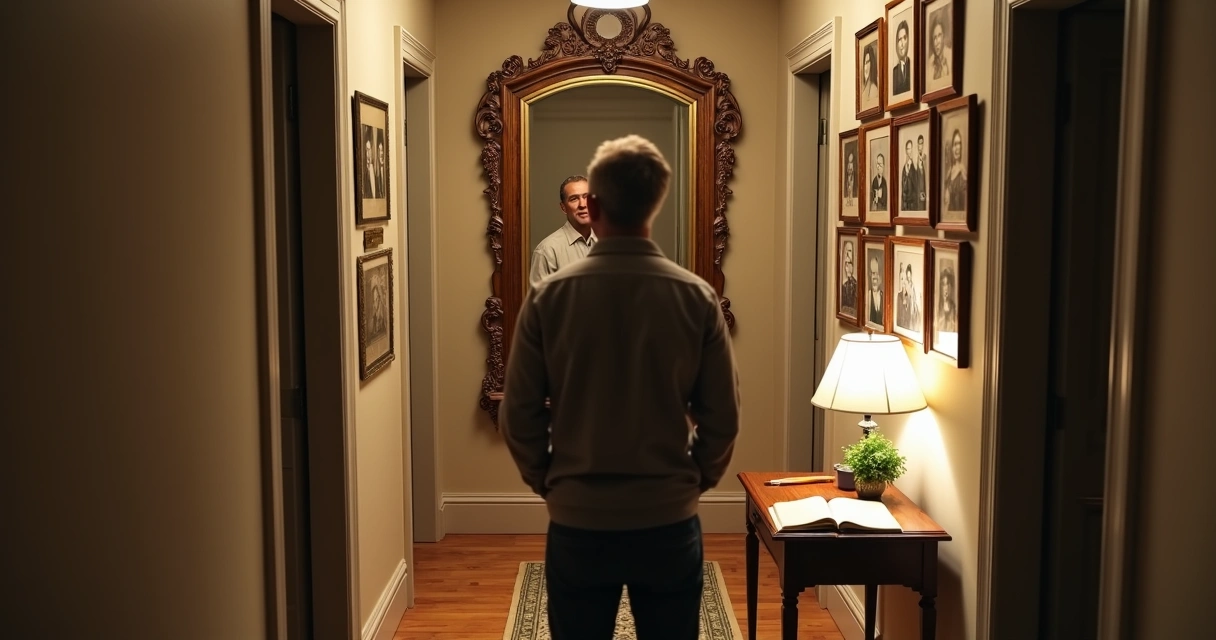
How often do we find ourselves repeating the same frustrations or joys in relationships, as if following a script handed down from generations past? We wonder: Is it just habit? Or could there be deeper threads weaving through our patterns—ones that began long before we were born? In our experience, much of what shapes how we interact with others does not start with us. Instead, it often echoes through the family line, patterns repeating like melodies across generations. These are what we call ancestral relational patterns.
Recognizing these inherited dynamics is the first step toward conscious change. We have seen how understanding ancestral roots brings profound insight and opens new pathways for growth. Below, we outline five clear signs that your relational patterns may arise from ancestral inheritance rather than just personal experience. As you read, you might see yourself—or your loved ones—more clearly.
The shadow of repeated family stories
Picture this: You tell a friend about your most recent heartbreak or conflict, and they remark, “Didn’t your mother face something similar?” Generational stories repeat, sometimes subtly, sometimes dramatically. If you notice family members across different ages facing similar relationship struggles or dynamics, this may hint at an ancestral pattern at work.
- Divorces or separations happening in the same way across generations
- Frequent family feuds, silent treatments, or alliances
- The same roles being assigned, like “the caretaker” or “the outcast”
Ask yourself: Are these examples just coincidence, or do they mirror a script passed along family lines? When such similarities run consistently, we frequently witness how old wounds or loyalties shape choices and behaviors, even when nobody talks about them aloud.
Inherited stories can quietly guide our choices, whether we recognize them or not.
Loyalty bonds that feel unbreakable
Have you felt torn between what you want and what your family expects—so intensely that you hesitate to pursue your happiness? This strong, sometimes invisible loyalty toward family members, living or deceased, is a clear sign of an ancestral pattern impacting relationships. We call these unspoken agreements “loyalty bonds.” These bonds can be felt as a sense of debt, responsibility, or guilt that shapes our relationship choices.
- Staying in unhealthy connections out of obligation
- Sabotaging relationships when they differ from family experiences
- Feeling “not allowed” to be happier or more successful in love than ancestors
When loyalty bonds are active, breaking free feels both frightening and disloyal. In our work, we have seen people suddenly realize that they are living out conflicts or destinies that never really belonged to them. That awareness brings relief, and also a new sense of responsibility.

Unexplained emotional triggers and fears
Sometimes, we notice intense emotional reactions in ourselves that seem out of proportion to present circumstances. Triggers or fears that don’t match your direct life experience may be expressions of ancestral memory. Examples include:
- Feeling intense sadness or anger in situations that you do not rationally connect to your own story
- Experiencing panic or distrust in relationships with no direct cause
- Fears or insecurities tied to specific events or types of people, despite no personal trauma or negative encounter
We have observed how such triggers often trace back to unresolved events from previous generations: betrayals, losses, migrations, or secrets that shaped survival strategies in the family system.
The body sometimes remembers what the mind forgets.
Relationship roles and scripts that persist despite change
When you try to shift your relationship style, but find yourself drawn back into certain roles, you might be acting under the influence of an ancestral script. If you repeatedly take on roles like the rescuer, victim, or outsider in different relationships, especially despite therapy or self-reflection, deeper family influences could be present.
- Always feeling the need to “save” others or be saved, regardless of who you date or befriend
- Being cast as the “black sheep” or “golden child,” regardless of efforts to change
- Unconsciously replaying patterns of dominance, submission, or distance in your partnerships
These roles can serve as unconscious links to family members’ experiences, sometimes offering repair or compensation for old wounds. We often find that change only sticks when we consciously identify and work with these older family dynamics.
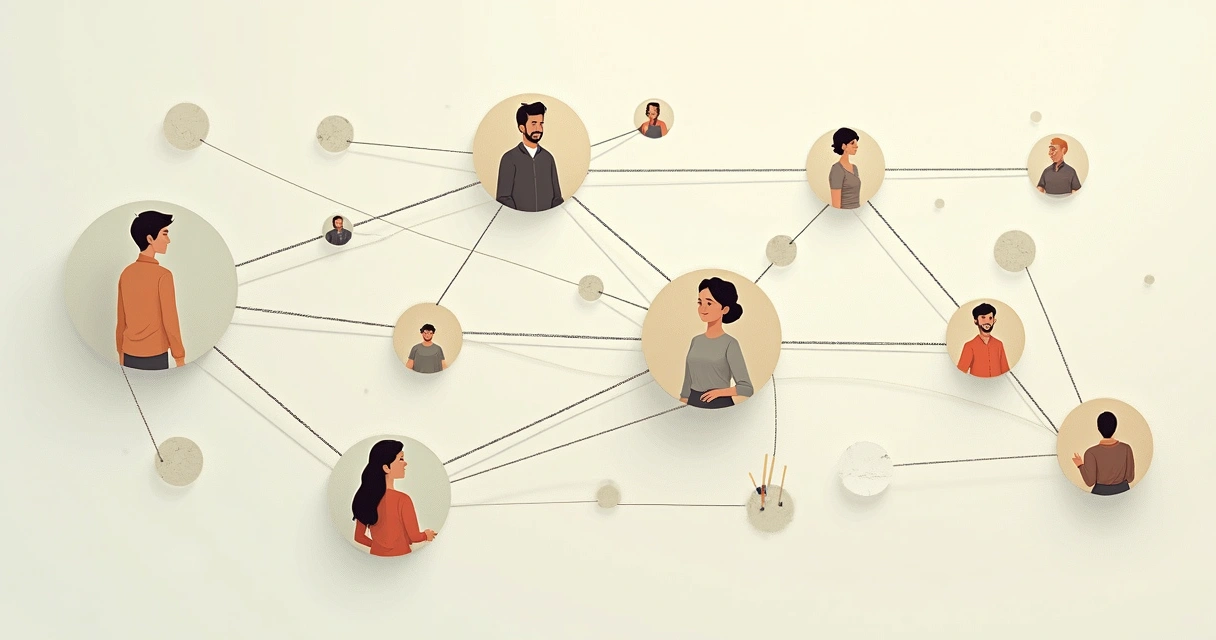
Persistent patterns despite conscious effort
This is one of the most telling signs. When you intentionally work on changing how you relate—but familiar troubles, disappointments, or dynamics keep reappearing—you may be facing an ancestral root. Examples include:
- Entering new relationships with hope, yet ending up in similar jealousy, mistrust, or abandonment cycles
- Communicating assertively, but old arguments still arise in predictable ways
- Choosing different partners, jobs, or friends, yet facing the same conflicts repeatedly
We have observed how personal willpower and even therapy sometimes don’t break these cycles alone. Often, the key is to bring ancestral roots into awareness, adding new perspectives to conscious choices and healing processes.
Change sticks when we address the roots, not just the branches.
Conclusion: Opening new paths by facing the past
Sometimes, what holds us back is not “our” baggage at all. It is love, loyalty, or pain carried silently across generations. Recognizing ancestral roots in our relational patterns is more than an act of personal growth—it is a chance to free future generations and choose new directions in love, friendship, and work.
By pausing to reflect, asking about family stories, and gently challenging the patterns that no longer serve, we make space for healing. In our experience, even the act of noticing is a step toward change. The next conversation with a parent, grandparent, or even with ourselves may be the one that transforms not only our relationships, but those to come.
Frequently asked questions
What are ancestral relational patterns?
Ancestral relational patterns are repeated ways of relating—such as habits, beliefs, behaviors, or emotional reactions—that are passed down through generations within a family or community. These patterns often exist below conscious awareness and can shape how we connect, conflict, or care for others, regardless of our personal intentions.
How do I identify ancestral patterns?
We suggest starting by noticing recurring dynamics in your family, such as repeating conflicts or roles. Talking to older family members and reflecting on family stories can also offer insight. If patterns persist despite conscious effort, or if you feel pulled by loyalty or obligation that does not seem to belong to your own experience, these may be signs of ancestral influence.
Can therapy help with ancestral patterns?
Yes, therapy and other self-development tools can help reveal and address ancestral patterns, especially when therapists recognize the influence of family and intergenerational dynamics. Approaches that focus on family systems, history, or systemic constellations often support people in making conscious shifts.
Why do ancestral patterns repeat?
We find that patterns repeat when emotional pain, trauma, or unfinished business in families remains unresolved. These repetitions can function as unconscious attempts to bring balance, healing, or loyalty to the family system. Without awareness, such loops continue so the original pain or lesson becomes fully known and processed.
How can I break ancestral relationship cycles?
The first step is recognition—becoming aware of the pattern and its origins. We recommend speaking with family members, reflecting on your own choices, and even using written or artistic expression to trace the cycles. Seeking guidance from professionals or using meditative and systemic approaches can support breaking the cycle. Most of all, allowing yourself compassion as you experiment with new ways of relating anchors real change.