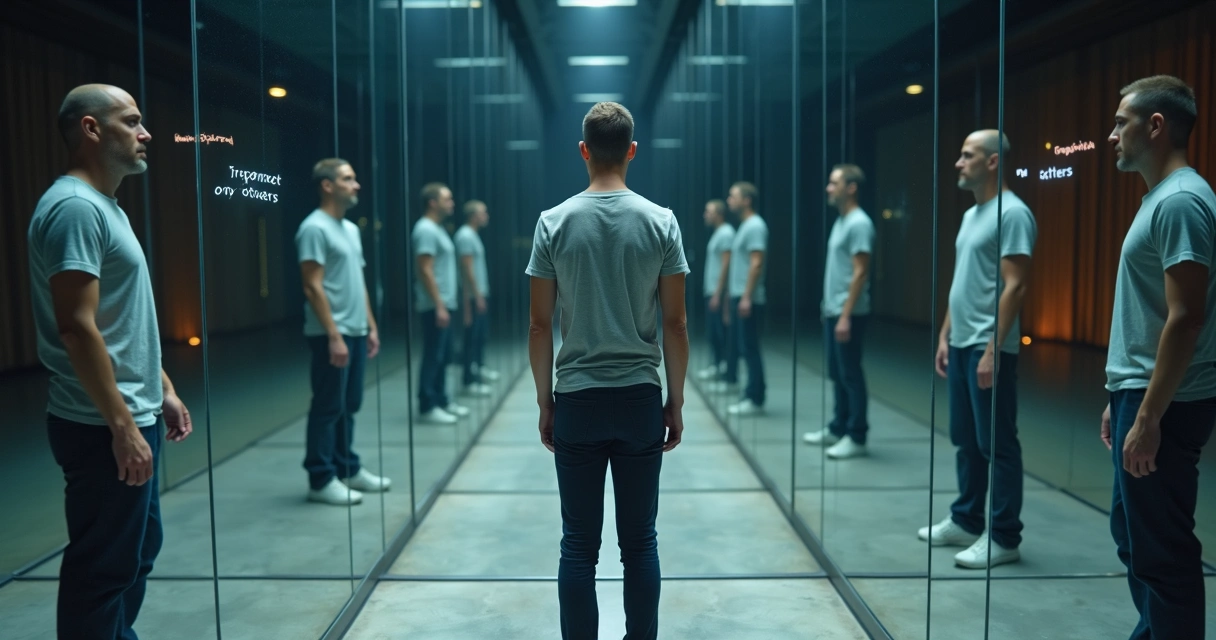


Throughout our years of research and experience with personal transformation, we have seen one truth echo again and again: to change our lives, we must learn to recognize and transform our limiting emotional patterns. It sounds simple. Yet, for most of us, these patterns have become invisible scripts quietly shaping how we think, feel, and act.
Awareness is the first step toward genuine change.
Let’s explore how we can bring these patterns into light, understand their roots, and find real pathways for transformation.
Understanding limiting emotional patterns
We all develop emotional patterns in response to experiences, especially during our early years. These patterns help us make sense of the world and protect us. Over time, however, some of these patterns stop serving us and begin to limit our choices, relationships, and well-being.
Often, these limiting emotional patterns appear as:
- Recurring feelings of fear, guilt, or shame, even in situations that don’t logically warrant them
- Automatic negative thoughts about ourselves or others
- Habits of avoiding discomfort or running from conflict
- Difficulty trusting or connecting with others
- Getting stuck in the past or worrying excessively about the future
Recognizing these patterns is not about judging ourselves, but about taking honest inventory of our emotional responses and their impact on our lives.
How limiting patterns shape our reality
Our emotional patterns silently shape the decisions we make, the relationships we build, and even the possibilities we see for ourselves. Think about the friend who always expects rejection and unconsciously pulls away from deeper connections. Or consider the high-achiever who can never feel satisfied, driven by a sense that nothing is ever enough. These are not isolated “feelings” but ingrained patterns that color everyday life.
When left unchecked, such patterns can manifest as:
- Self-sabotage in important moments
- Persistent anxiety or low mood
- Repeating the same mistakes despite knowing better
- Chronic stress and even physical symptoms
In our perspective, to truly transform our lives, we need to move beyond strategies that only address symptoms. Lasting change happens when we reach the deeper emotional roots.
Common signs of limiting emotional patterns
Spotting a pattern starts with paying close attention. Here are signs we encourage you to watch for:
- Intense emotional reactions to small triggers
- Persistent inner critical voice
- Feeling “stuck” or powerless to change certain aspects of life
- Repeating stories to yourself about “the way things always go”
- Physical tension, restlessness, or fatigue linked to certain worries
- Difficulty staying present, often lost in regrets or fantasies
Once we can name a pattern and see when it shows up, we take the first real step toward change.
Steps to recognize and transform limiting patterns
Change is a process, not a single leap. From our experience, the steps below provide a structure to work through your own patterns, with honesty, compassion, and persistence.
1. Cultivate honest self-awareness
On any “typical” day, our habits and reactions flow so naturally that we barely notice them. Start with the goal of observation, not correction. Notice:
- When do you feel anxious, angry, or withdrawn?
- What thoughts accompany those feelings?
- How do you react? What is your go-to behavior?
Keep a journal or make notes during moments that feel challenging or emotionally charged. Patterns begin to appear with time and reflection.
2. Identify the triggers and underlying beliefs
Every emotional pattern is tied to certain triggers—people, places, or events that set off a familiar reaction. Ask yourself:
- When was the last time I felt this way?
- What did I believe about myself or others in that moment?
Underlying beliefs often sound like “I am not good enough,” “People can’t be trusted,” or “I must do everything perfectly.” These beliefs are not facts, but learned responses that we can question and update.
Our beliefs shape our emotional world far more than the events themselves.
3. Create space for feeling, not fixing
We tend to resist painful emotions, pushing them away or distracting ourselves. True transformation starts when we allow our emotions to be experienced and felt—without rushing to fix or analyze. Sit quietly, breathe, and name the feeling. Notice where it lives in your body.
By accepting what we feel without judgment, we break the cycle of suppression and reactivity.
4. Challenge and reframe limiting beliefs
Once you’ve identified a recurring thought or belief, put it to the test. Ask yourself:
- Is this belief always true, or is it an old story?
- What evidence supports or contradicts it?
- What healthier belief or perspective might be just as valid?
Little by little, practicing a kinder—and more realistic—self-talk can shift an entire pattern.
5. Develop new responses
Awareness alone is not enough. To complete the process, consciously choose a new response when you catch a pattern emerging. This may mean:
- Pausing before reacting and breathing deeply three times
- Speaking up, even when it feels uncomfortable
- Taking a small risk to act differently than usual
Each time you practice, you strengthen new pathways in your mind and emotions.
Integrating practices for deeper change
From our research and practice, we believe that transformation unfolds through a combination of self-reflection, body awareness, and practical exercises. Here are some methods we’ve found effective:

- Journaling: Documenting your emotions and triggers makes the invisible visible. Notice patterns over days and weeks.
- Mindful breathing: Regular focus on the breath anchors you in the present, helping break old emotional loops.
- Body scans: Bringing attention to how emotions show up as physical sensations helps release stored tension and reactions.
- Guided imagery or visualization: Imagine a scenario where you respond differently, reinforcing new habits.
Combining these methods can deepen your self-awareness and support lasting transformation.
The role of relationships and environment
Our emotional patterns rarely exist in isolation. They are shaped and maintained within relationships and environment. Notice how certain people or places “activate” specific emotions. Seek out relationships that encourage openness, kindness, and accountability. Sometimes, sharing your patterns with a trusted friend or professional creates new possibilities for change that would be hard to reach alone.

We grow best in environments where honest reflection is met with patience and understanding.
Conclusion
Limiting emotional patterns are part of the human experience, not signs of failure. With honest self-observation, compassion, and consistent practice, we can bring these patterns to light and begin to gently reshape the way they influence our lives. Every step toward transformation brings us closer to real freedom and a deeper sense of meaning, both in our relationship with ourselves and with the world.
Frequently asked questions
What are limiting emotional patterns?
Limiting emotional patterns are recurring emotions and beliefs that restrict our choices and responses, often keeping us stuck in negative cycles. They typically develop in response to early experiences and get reinforced over time, influencing how we see ourselves and the world.
How do I recognize emotional patterns?
Start by paying close attention to your emotional reactions, especially when they seem out of proportion or familiar. Journaling, noting triggers, and reflecting on repeated thoughts or feelings help make patterns clearer. Physical sensations, automatic thoughts, or repeating outcomes in your life are often clues to these patterns.
How can I change limiting emotions?
Change begins with honest awareness and acceptance of your feelings. Identify the triggers and beliefs that set off your emotional reactions. Challenge unhelpful beliefs, create a safe space to feel emotions fully rather than avoid them, and practice new responses in difficult situations. Over time, these steps help build healthier emotional habits.
Is it worth it to transform patterns?
Yes, transforming limiting emotional patterns leads to greater freedom, healthier relationships, and a more authentic life experience. While the process takes patience and commitment, the results impact all areas of daily living, from how we handle stress to how we connect with others.
What are the best techniques to use?
Techniques that support awareness and emotional regulation work well together. These can include journaling, mindful breathing, body scans, guided imagery, and seeking supportive connections. Each method brings its own benefits, and we encourage combining them for deeper transformation. What works best varies from person to person, but consistency is key.