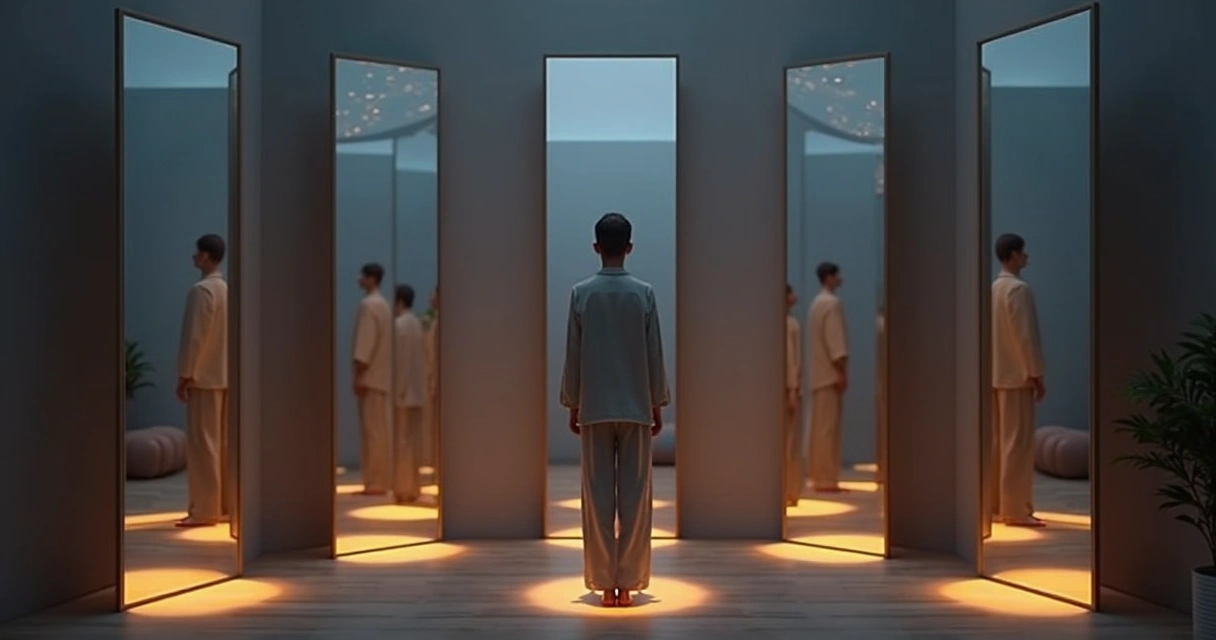

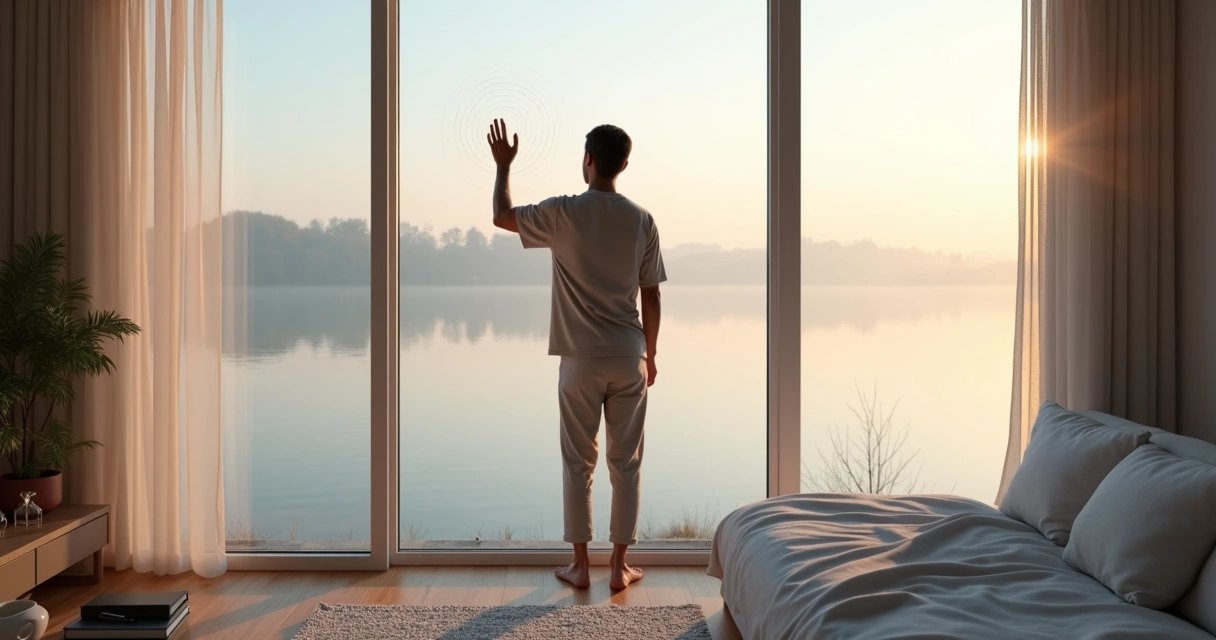
Hidden anxiety rarely arrives with a clear label. It can look like irritability, a tight jaw, restless sleep, overthinking, or the odd feeling that we must stay alert even when nothing is wrong. Many people say, “I am just tired,” when what they feel is a steady inner strain.
We see this often. Anxiety does not always shout. Sometimes it whispers through the body first.
Hidden anxiety is stress that stays active beneath daily life, even when we do not fully name it.
This is part of why mindfulness helps. It does not ask us to become someone else. It asks us to notice what is already happening, with less judgment and more steadiness. That small shift can change a lot.
The need is real. Data on anxiety disorders in adults and adolescents show how common anxiety is, including forms that deeply affect daily life. Even when symptoms do not reach a formal diagnosis, many of us still live with hidden tension that drains our energy and narrows our choices.
Why hidden anxiety is easy to miss
Some forms of anxiety are dramatic. Hidden anxiety is often quiet and functional. We still work. We still answer messages. We still show up. But inside, the nervous system stays braced.
We may notice patterns like these:
- Checking the same thing many times
- Feeling guilty when resting
- Starting the day already tense
- Getting overwhelmed by small changes
- Struggling to stay present in conversations
One person may call it perfectionism. Another may call it being responsible. Yet the body often tells a fuller story.
What we avoid often speaks through tension.
Mindfulness helps because it brings hidden patterns into awareness before they become bigger reactions.
What mindfulness can really do
Mindfulness is not emptying the mind. It is not forced calm. It is the practice of paying attention to present experience with honesty and care.
When we notice thoughts, sensations, and emotions without rushing to fight them, anxiety often loses some of its force.
In our experience, people feel relief when they learn that mindfulness can be very simple. It can happen in a chair, in a line at the store, before a meeting, or while washing dishes. The point is not perfection. The point is contact.
Below are techniques that work well when anxiety is subtle, recurring, or hard to name.
Simple techniques that calm the inner noise
Start with the three-breath pause
This is one of the easiest ways to interrupt hidden tension. We stop for three slow breaths and give each one a job.
- On the first breath, we notice the body.
- On the second, we soften the jaw, shoulders, or hands.
- On the third, we ask, “What is here right now?”
This takes less than twenty seconds. Still, it creates space. Many people are surprised by how much strain they were carrying in such a short moment.
Name what we feel
Anxiety grows in vagueness. It becomes harder to hold when we gently give it a name.
We can say, either aloud or silently, “I feel pressure.” “I feel fear.” “I feel unsettled.” This is not dramatic. It is clarifying.
Naming an emotion can reduce the confusion around it and help us respond with more choice.
We do not need the perfect word. A close word is enough.
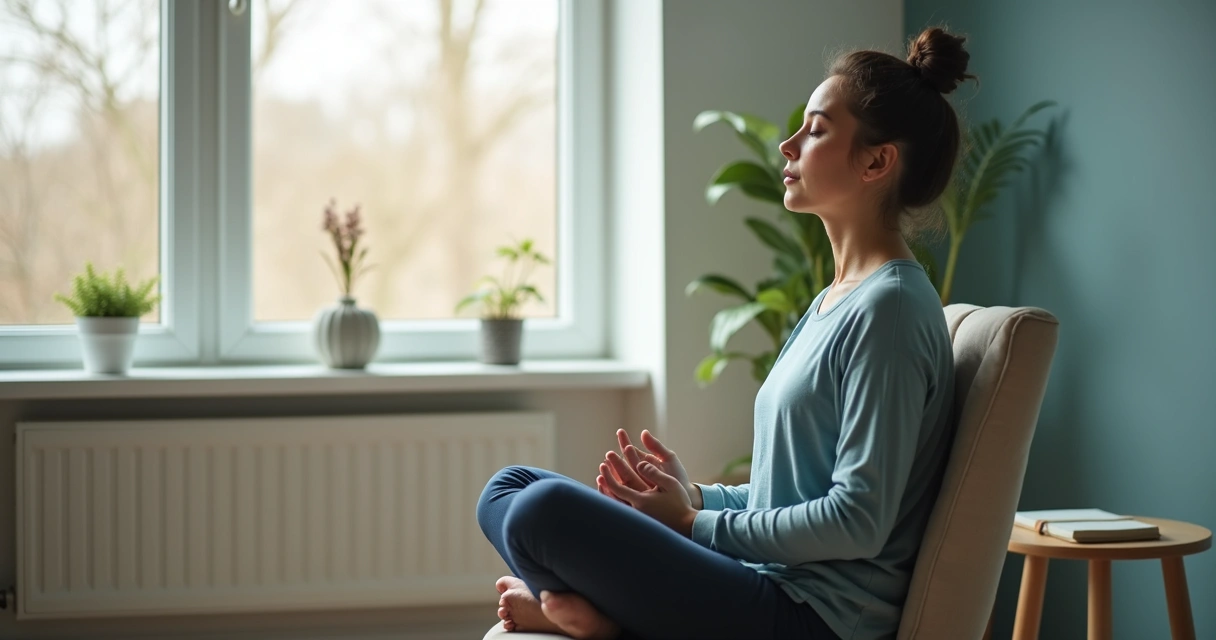
Use grounding through the senses
When thoughts loop, the senses can anchor us. We bring attention to what is concrete, not imagined.
A helpful pattern is the 5-4-3-2-1 method. We notice:
- 5 things we can see
- 4 things we can feel
- 3 things we can hear
- 2 things we can smell
- 1 thing we can taste
This works well during quiet anxiety because it gives the mind a structure. It brings us back to the present environment instead of the inner forecast.
Scan the body for hidden messages
Some people cannot identify anxiety in their thoughts, but they can find it in the body. We may feel it as chest pressure, stomach tightness, shallow breathing, or a heavy forehead.
We can pause for one minute and move attention slowly from head to feet. No need to fix anything. We just notice where the body is gripping.
Then we ask, “Can I soften this area by five percent?” Not fully. Just a little. That small adjustment feels more realistic and easier to do.
Give the thought less authority
Hidden anxiety often speaks in absolute language. “Something will go wrong.” “I am behind.” “I cannot relax yet.” Mindfulness teaches us to hear thoughts as mental events, not commands.
One useful phrase is: “I am having the thought that...”
For example, instead of “I am failing,” we say, “I am having the thought that I am failing.” This creates healthy distance. The thought is still there, but it no longer fills the whole room.
How to fit mindfulness into real life
People often imagine they need thirty silent minutes and perfect discipline. Most do not. Hidden anxiety responds well to short, repeated contact with awareness.
We can place mindfulness into moments that already exist:
- Before opening email
- After sitting in the car
- Before meals
- While waiting for a call
- Right before sleep
One woman we once spoke with said her anxiety showed up most while making tea. Her mind would race ahead into unfinished tasks. So she made tea her cue. Each time, she felt the cup in her hands, watched the steam, and took one slow breath before the first sip. That was her practice. Small. Real. Effective.

What to avoid while practicing
Mindfulness can help, but some habits weaken its effect. We should watch for these common mistakes:
- Trying to force calm too fast
- Judging ourselves for getting distracted
- Using mindfulness only in crisis
- Expecting every session to feel peaceful
Some days the mind is busy. Some days the body is heavy. That does not mean the practice failed. If we noticed what was happening with honesty, the practice worked.
Mindfulness is less about feeling perfect and more about staying in contact with our experience without running from it.
Conclusion
Hidden anxiety can shape our mood, choices, and relationships long before we call it anxiety. That is why simple mindfulness matters. It helps us catch early signs, listen to the body, and respond with more steadiness.
We do not need a dramatic method. We need a repeatable one. Three breaths. A named feeling. A body scan. A few seconds with the senses. These small acts teach the nervous system that awareness is safer than avoidance.
If anxiety feels persistent, intense, or hard to manage alone, seeking qualified mental health support is a wise next step. Mindfulness can walk beside that process with care and clarity.
Frequently asked questions
What is mindfulness for hidden anxieties?
Mindfulness for hidden anxieties is the practice of noticing quiet signs of stress, such as tension, racing thoughts, or emotional unease, before they grow stronger. It helps us become aware of what is happening inside us in the present moment.
How can mindfulness reduce daily anxiety?
Mindfulness reduces daily anxiety by slowing automatic reactions. When we notice thoughts, emotions, and body sensations with more awareness, we create space to respond instead of reacting on impulse. This often lowers inner tension and brings more calm to ordinary moments.
What are simple mindfulness techniques?
Simple mindfulness techniques include slow breathing, body scans, naming emotions, and grounding through the five senses. These methods are easy to practice at home, at work, or during short breaks in the day.
How long should I practice mindfulness?
A short daily practice can help. Many people start with one to five minutes and build from there. What matters most is consistency, not long sessions. Brief moments of mindful attention repeated through the day can be very helpful.
Is mindfulness safe for everyone?
Mindfulness is safe for many people, but not every method feels right for every person. If someone has intense trauma symptoms, panic, or distress during practice, it is best to pause and seek support from a qualified mental health professional. The practice should feel supportive, not overwhelming.